.png)

Free download
The event industry toolkit you didn't know you needed.
Templates, guides and playbooks for organizers and sponsors — built from real hosted buyer experience.
Hosted Buyer Bible — the complete organizer guide
Sponsorship pitch deck template + pricing framework
Event ROI calculator for sponsors
Pre-event, on-site & post-event checklists
How the $2 Trillion Events Industry Built Global Icons
From the telephone to the Ferris wheel, the brands that became global icons had their first real moment at a World’s Fair. Inside the events industry that built them.

Trade shows, World’s Fairs, auto reveals and gaming expos look like booths and badges. They are really birthplaces — the spot where some of the most valuable brands on Earth had their first real moment in a crowded hall.
We picture invention as a lone genius in a garage. The truth is louder and more crowded. Over and over, the moment a product stopped being a prototype and became a phenomenon happened on a stage — in front of buyers, press and rivals packed into one room.
That room is an industry. Today the global events business — trade shows, conventions, exhibitions, festivals and fairs — is worth roughly $1.5 trillion a year and is racing toward $2 trillion. For more than a century it has done what no ad can: put a new thing in a real crowd and let the reaction do the marketing. Nowhere was that truer than at the great World’s Fairs.
The Great Expositions (1876–1939)
When World’s Fairs were the internet: the place a nation went to see the future first.
The Telephone → AT&T — 1876 · Centennial Exhibition, Philadelphia
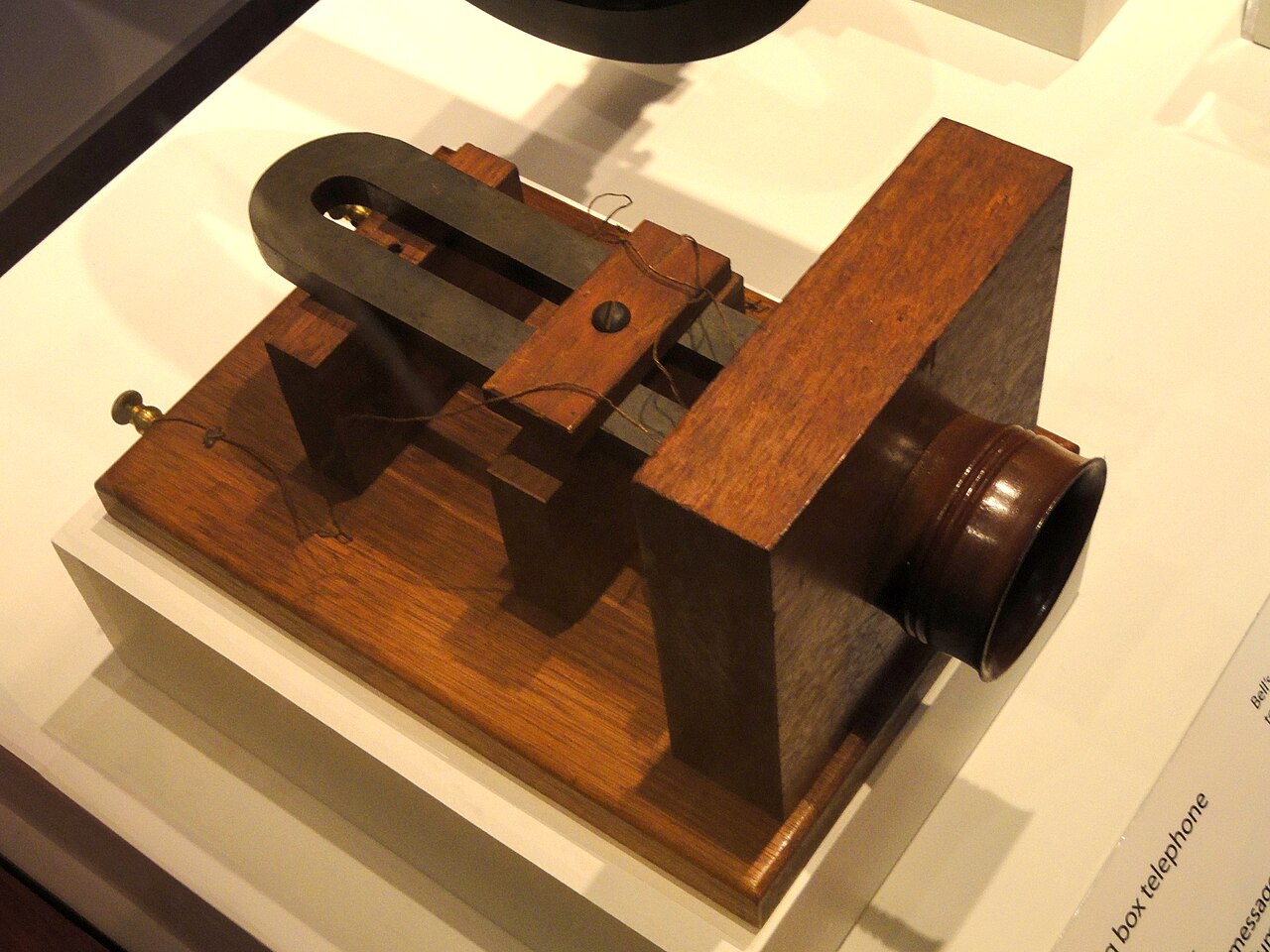
Alexander Graham Bell demonstrated his telephone in Machinery Hall. Brazil’s Emperor Dom Pedro II reportedly gasped, “It talks!” The sensation helped launch the Bell Telephone Company — the seed of AT&T.
The Eiffel Tower — 1889 · Exposition Universelle, Paris
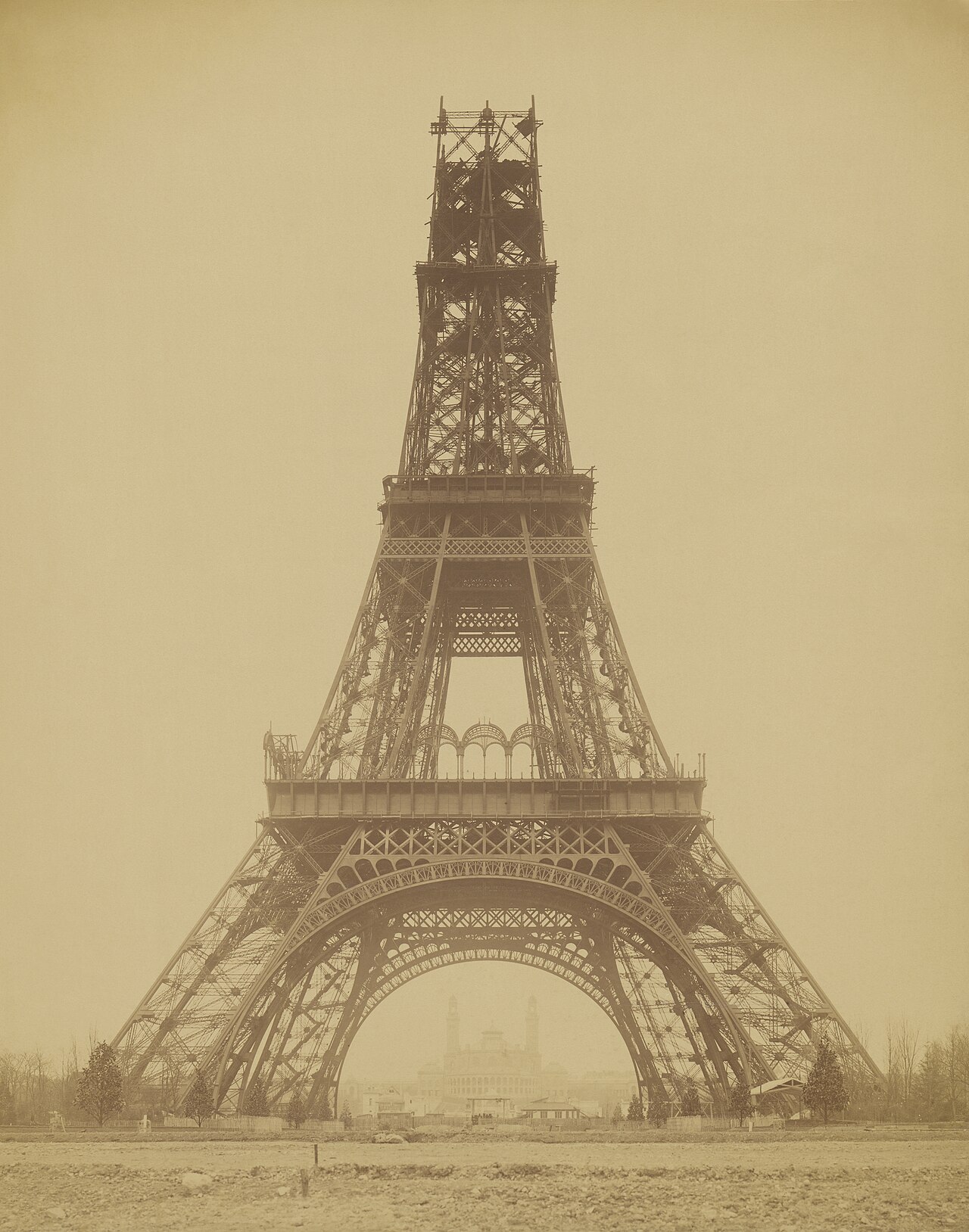
Built as the fair’s temporary centerpiece and meant to come down in 20 years. It became the tallest structure on Earth, drew two million visitors, and never left — the permanent logo of a city.
The Ferris Wheel — 1893 · World’s Columbian Exposition, Chicago
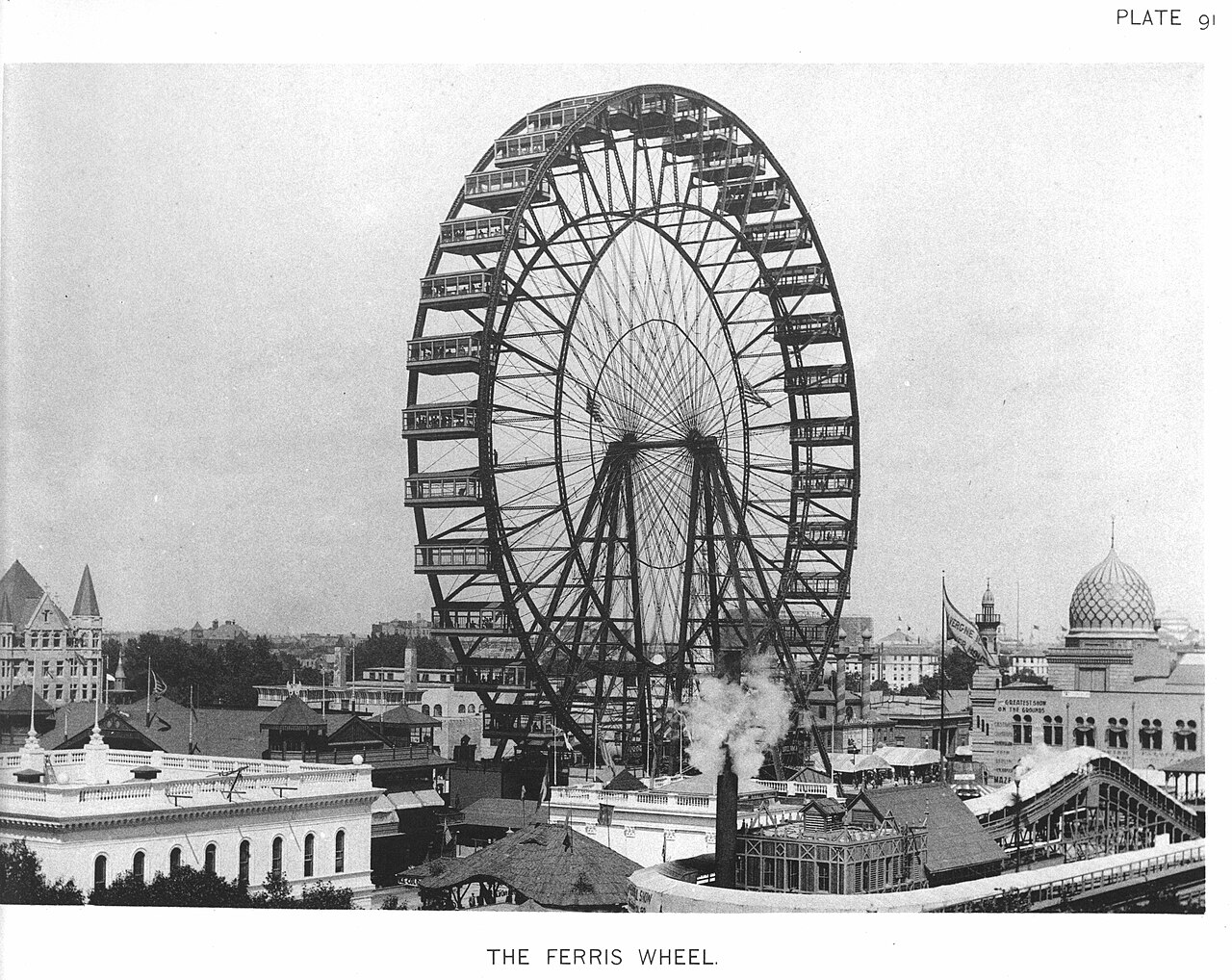
George Ferris built America’s answer to the Eiffel Tower: a 264-foot wheel carrying 2,000 riders at a time. Every wheel at every fair and pier since traces back to this debut.
Westinghouse & AC Power — 1893 · World’s Columbian Exposition, Chicago
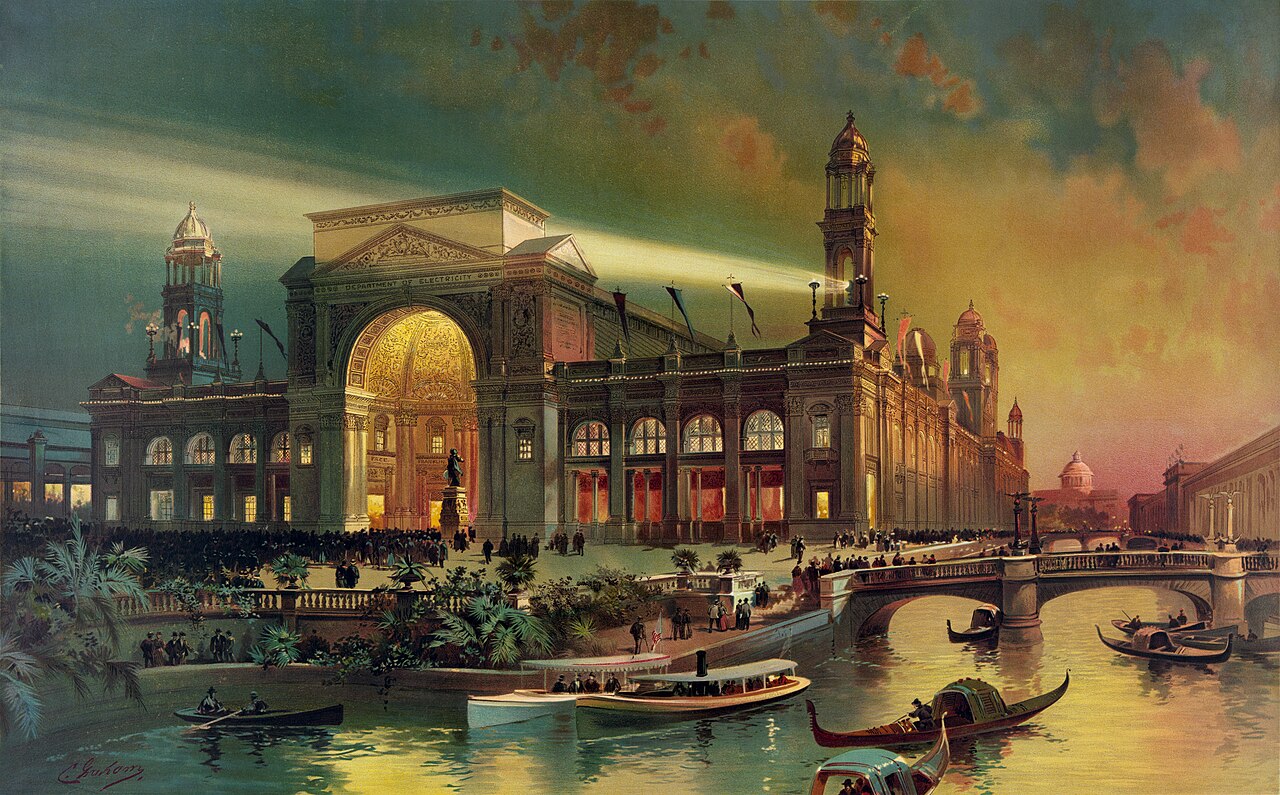
Westinghouse won the contract to light the entire fair using Nikola Tesla’s alternating current, beating Edison’s direct current. Seen by millions, the glowing “White City” effectively ended the War of the Currents.
Cracker Jack — 1893 · World’s Columbian Exposition, Chicago
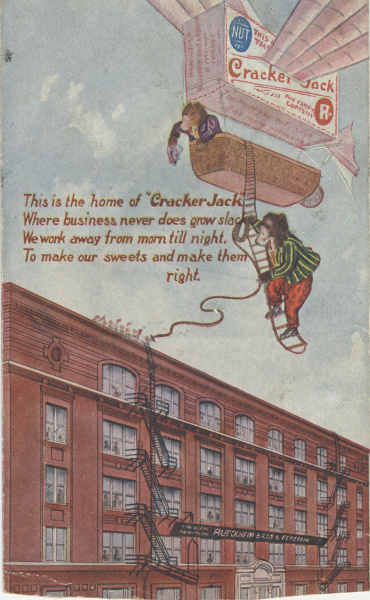
The Rueckheim brothers introduced their caramel-coated popcorn-and-peanut snack to the fair’s vast crowds. It grew into an American staple — and later gave baseball its anthem line.
Commercial Television (RCA) — 1939 · New York World’s Fair
RCA introduced television to the public and broadcast President Roosevelt’s opening address — the first televised presidential speech. RCA started selling sets to New Yorkers the very next day.
Nylon (DuPont) — 1939 · New York World’s Fair
DuPont unveiled nylon as a “wonder fiber” spun from coal, water and air. The stockings caused a frenzy — 64 million pairs sold in the first year after the fair.
A fair put the new thing in a real crowd and let the gasp do the selling. The booth was the original viral loop.
A note on the legends (because not every fair story is true)
- Pabst Blue Ribbon, 1893: The famous “won the blue ribbon at the Chicago fair” tale is a myth. Pabst was tying blue silk ribbons on bottles years earlier; no blue ribbon was awarded. The brand quietly dropped the claim.
- The 1904 St. Louis foods: The ice-cream cone, hot dog, hamburger and iced tea were popularized at the fair — not invented there. Great stories, shaky history.
The events business sells square footage and lanyards. What it actually sells is the moment before everything changes — and it has been minting icons since a Brazilian emperor first heard a wire talk.
Sources include EBSCO Research Starters (Bell, 1876), La Tour Eiffel, the U.S. National Park Service and WTTW Chicago (1893 Columbian Exposition), Smithsonian Magazine (the Pabst myth), and Hagley Museum & Library (DuPont nylon). Embedded photographs are public-domain / CC0 images.
.svg)
Backtrack is an AI-powered platform that automatically records every 1:1 meeting, generates accurate transcripts and CRM-ready notes, and delivers ROI reports sponsors can use as proof—so organizers can drive rebooks with data, not vibes—across trade shows, hosted buyer events, and other 1:1 meeting programs.